Foundation engineering in Cape Coral is not merely a structural starting point; it is the most critical risk-management decision in the entire construction process. Our pile foundation design services and broader foundation category address the unique challenge of building on a peninsula with more than 400 miles of canals. The category encompasses everything from geotechnical investigation and bearing capacity analysis to the structural design of shallow and deep foundations. Given the city's subtropical climate, which brings intense seasonal rainfall and periodic hurricane threats, a properly engineered foundation must resist not only vertical structural loads but also significant lateral forces from wind and water, making this specialty absolutely vital for asset longevity.
Cape Coral's underlying geology is dominated by a cap of fine to medium quartz sand, underlain at varying depths by the Tamiami Formation, which consists of limestone, sand, and clay strata. This geological profile creates a high water table, often just a few feet below the surface, leading to extremely loose, saturated sands with a high potential for liquefaction during seismic or vibrational events. Furthermore, the presence of solution cavities and irregular pinnacles in the buried limestone introduces the risk of sudden sinkhole collapse. These conditions mean that conventional spread footings are rarely suitable without extensive ground improvement, pushing the necessity for specialized deep foundation solutions that bypass the problematic upper strata to bear on competent rock or rely on friction within denser layers.
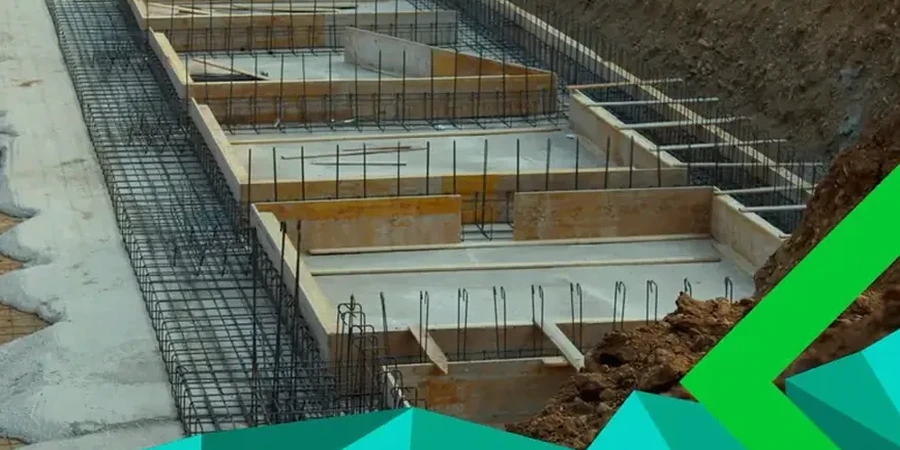
All foundation design in Cape Coral is governed by the Florida Building Code (FBC), which adopts and amends the International Building Code (IBC) with state-specific provisions for wind-borne debris regions and high-velocity hurricane zones. The code mandates strict adherence to ASCE 7 for minimum design loads, particularly for flood and wind events, and references the American Concrete Institute (ACI 318) for structural concrete. Crucially, geotechnical investigations must comply with FBC Chapter 18 and the Florida Administrative Code, requiring a thorough analysis of the subsurface conditions to address sinkhole activity and bearing stratum suitability. These regulations ensure that every pile foundation design accounts for scour depth, downdrag, and the corrosive potential of the brackish groundwater common in this coastal environment.
The types of projects requiring advanced foundation engineering in Cape Coral are diverse. Waterfront residential construction, from single-family homes to low-rise condominiums, almost universally demands deep foundations to mitigate settlement and uplift in loose, saturated soils. Commercial structures, including boat storage facilities and marinas, face immense lateral loads from docking impacts and storm surges, necessitating robust pile groups. Even municipal infrastructure like seawalls, bridge abutments, and pump stations requires specialized foundation systems designed to perform reliably in a marine environment. Our category of services, particularly the intricate analysis behind a pile foundation design, is integral to transforming these challenging sites into viable, safe building platforms.
Available services
Quick answers
Why are deep foundations typically required for new construction in Cape Coral instead of standard slab-on-grade?
Standard slab-on-grade is often unsuitable due to Cape Coral's high water table, loose saturated surface sands, and the presence of organic material. These conditions lead to excessive settlement and poor bearing capacity. The Florida Building Code requires foundations to be supported on competent strata, which in many areas is only found at depth, making deep foundations like driven piles or auger cast piles necessary to bypass the problematic upper layers and avoid sinkhole-related failures.
What is the primary geotechnical risk that foundation design must mitigate in Cape Coral's canal-heavy environment?
The primary risk is a combination of soil liquefaction and scour. During heavy rainfall or a hurricane, the loose, saturated sandy soils can lose strength and behave like a liquid. Simultaneously, fast-moving water can erode soil from around a foundation's base (scour). A proper foundation design must extend well below the calculated scour depth and be embedded into stable strata to maintain integrity even if the upper soil layers become fluid or wash away.
How does the Florida Building Code influence the depth and type of foundation chosen for a waterfront property?
The Florida Building Code (FBC) mandates that foundations in Special Flood Hazard Areas be designed to resist flotation, collapse, and lateral movement. It requires the bottom of the lowest horizontal structural member to be elevated above the Base Flood Elevation. For deep foundations, the FBC specifies that they must be designed to withstand combined loads from wind and flood, including potential wave action and debris impact, which directly dictates the structural reinforcement, embedment depth, and pile cap configuration.
What role does a geotechnical investigation play before starting a foundation design project in Cape Coral?
The geotechnical investigation is the most critical preliminary step. It involves drilling standard penetration test (SPT) borings or cone penetration tests (CPT) to profile the subsurface layers, identify the depth to the limestone bedrock, and detect any anomalies like solution cavities. This report provides the essential soil parameters—such as friction angle, cohesion, and corrosion potential—that engineers use to calculate bearing capacity, predict settlement, and design a foundation that fully complies with FBC Chapter 18.