Geotechnical laboratory testing forms the backbone of every safe and cost-effective construction project in Cape Coral. This category encompasses all controlled-environment procedures used to determine the physical, mechanical, and hydraulic properties of soils and rocks recovered from a site. In a region where subsurface conditions can vary dramatically over short distances, relying on visual classification alone is insufficient. Laboratory tests provide the quantitative data engineers need to design foundations, assess slope stability, and predict settlement. From residential homes to large-scale infrastructure, these analyses transform raw soil samples into reliable engineering parameters, ensuring structures perform as intended over their design life.
Cape Coral's unique geology demands a rigorous laboratory program. The city is underlain by a complex sequence of Quaternary sediments, including loose to medium-dense sands, silts, and layers of organic material and shell fragments characteristic of the Tamiami Formation. The water table is typically high, often within a few feet of the surface, creating saturated conditions that influence soil behavior. These deposits can be highly variable, with loose zones prone to settlement and layers of organic silt that decompose over time. Understanding the specific properties of these soils—how they compact, how much water they hold, and how they behave under load—is not optional; it is a necessity for mitigating risks associated with differential settlement, bearing capacity failure, and scour.
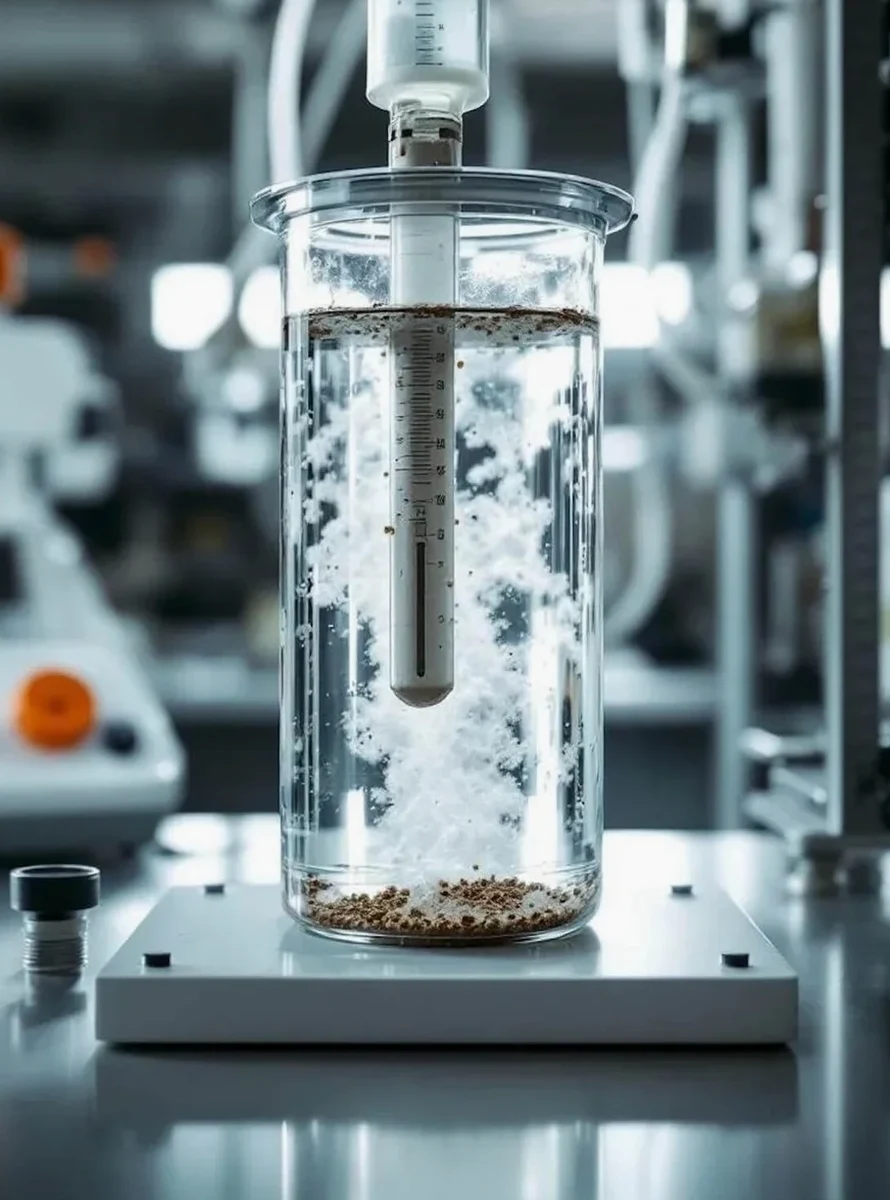
Laboratory testing in Florida must comply with standards set by the Florida Building Code (FBC), which adopts the American Society for Testing and Materials (ASTM) International methods. Key ASTM standards include D422 for particle-size analysis, D4318 for Atterberg limits, and D2435 for consolidation testing. The FBC mandates specific investigations for structures in high-velocity hurricane zones and areas with expansive or compressible soils. For Cape Coral, where the subsurface often includes loose sands and organic silts, the code requires thorough geotechnical reports to support foundation design. Adherence to these standards is not merely best practice; it is a legal requirement enforced during the permitting process by local building officials to protect public safety and welfare.
The types of projects that rely on this category of testing are diverse. Residential builders require basic index tests to confirm bearing capacity for slab-on-grade foundations, especially in subdivisions where fill placement is common. Commercial developments, such as retail centers along Pine Island Road, demand advanced strength and consolidation testing for larger footings and pavement design. Critical infrastructure projects, including stormwater management systems, seawalls, and canal dredging operations, depend on accurate soil characterization to prevent erosion and structural failure. A complete grain size analysis using both sieve and hydrometer methods is particularly crucial for designing effective drainage and filtration systems in this coastal environment. Similarly, in situ permeability assessments are essential for modeling groundwater flow and designing dewatering systems for any excavation below the water table.
Quick answers
Why is laboratory testing necessary instead of just a field inspection for my Cape Coral property?
Field inspections provide only a visual and qualitative assessment of soils. Laboratory testing quantifies critical engineering properties such as strength, compressibility, and permeability under controlled conditions. Cape Coral's loose sands and organic silts demand this precision to accurately predict settlement and bearing capacity, ensuring foundation designs are safe and compliant with the Florida Building Code.
How do local soil conditions in Cape Coral affect which laboratory tests are required?
The high water table and presence of loose, saturated sands and compressible organic layers are defining local conditions. This typically requires testing for moisture content, grain size distribution, and consolidation potential. Tests like Atterberg limits help identify fine-grained soils that could shrink or swell, directly influencing foundation type and depth recommendations.
What ASTM standards govern geotechnical laboratory testing for Florida construction projects?
The Florida Building Code references numerous ASTM International standards that laboratories must follow. Common standards include ASTM D422 for particle-size analysis, D4318 for Atterberg limits, D2435 for one-dimensional consolidation, and D3080 for direct shear testing. Using these standardized methods ensures the results are legally defensible and accepted by permitting authorities.
What is the typical turnaround time for a full suite of geotechnical laboratory tests?
Turnaround times vary based on the project's complexity and the specific tests required. Basic index tests like moisture content and grain size analysis may be completed within a few days. However, tests requiring longer durations, such as consolidation or permeability testing, can extend the process to one or two weeks. A schedule is usually established during project planning to meet design deadlines.